For most of history, many of our faith practices involved rhythms that were hard to escape.
Church bells marked the day. Communities gathered regularly. While silence – a commodity, today, we seek out via paid retreats – was just simply, well… there.
But with our attention now scattered across messages, feeds, notifications etc. – we’ve arrived into a very different world. Today, even when life appears outwardly calm, the mind rarely is.
The result is prayer often becomes something we mean to return to. Scripture becomes something we consume in passing. While reflection is a habit we postpone until there’s more time – which rarely comes.
Thankfully, there is hope, with Christian apps emerging as powerful aides against our distractibility, offering small, deliberate interruptions that help reintroduce rhythms of stillness into days that would otherwise pass too quickly for us to notice what God might be doing.
Below, we’ll take a look at the 10 most valuable Christian apps currently out there, what makes them special, and who they’re best suited to.
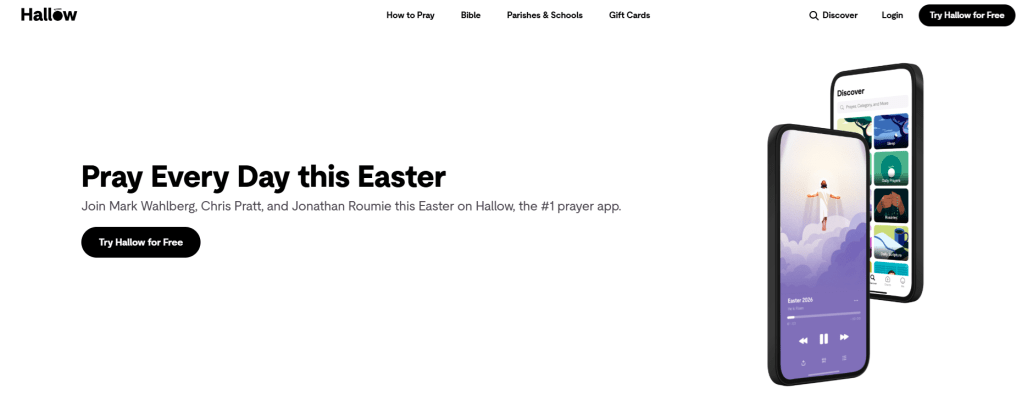
Hallow has become one of the most widely used Christian prayer apps, particularly for those who struggle with consistency; primarily because it solves a very specific problem for the many people who want to pray, but don’t know how to begin or sustain it.
Rather than leaving prayer entirely unstructured, Hallow offers a guided, immersive experience that helps users enter into prayer even when their focus is low or their motivation feels inconsistent
With Hallow, you get:
Guided prayers and meditations.
Sleep stories rooted in Scripture.
Structured formats like the rosary.
Strengths:
It removes friction. You don’t need to know what to say. You just press play and enter in.
Best for:
Christians building a prayer habit or returning to prayer after a gap.
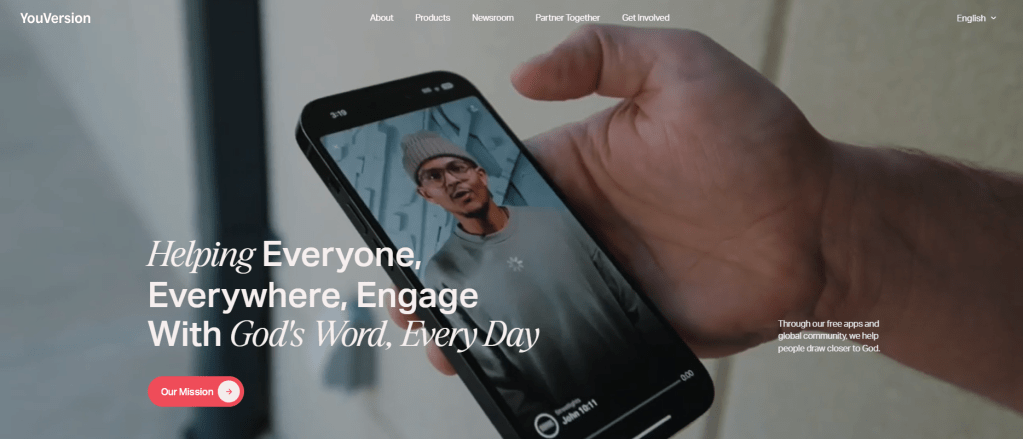
One of the most widely used Bible apps globally. YouVersion’s scale is its defining feature. It functions as a global access point to Scripture, offering tools that make Bible engagement possible across languages, contexts, and levels of familiarity, removing every possible barrier to access.
Key features:
Multiple translations.
Reading plans.
Audio Bible.
Streak tracking.
Strengths:
Unmatched accessibility and breadth.
Best for:
Bible reading plans and those keen to access Scripture on the go.
Glorify focuses on simplicity and daily rhythm, offering a lightweight but consistent daily touchpoint designed to fit into busy routines without overwhelming the user. The experience feels calm, curated, and intentionally minimal.
It combines:
Short devotionals.
Scripture.
Guided reflection.
Worship moments.
Strengths:
Clean, accessible, and easy to return to daily.
Best for:
New believers or those with limited time.
4. Natality – Best for purpose, growth, and reflective faith
Natality represents a newer category of Christian app, offering guided reflection and formation-focused tools rather than a content platform.
Natality’s AI combines conversational journaling with biblical wisdom to help you settle your mind, process your thoughts, and connect what you believe with how you’re living – drawing out patterns, insights, and direction over time.
The app’s features include:
Conversational AI journaling.
Pattern recognition across entries.
Purpose-driven reflection.
Community and shared growth.
Strengths:
Moves beyond consumption into transformation by helping users ground their thoughts, reflect, and act – not just absorb.
Particularly powerful for:
Entrepreneurs
Creatives
Professionals seeking clarity, growth and calling
Best for:
Christians who want to better manage their personal wellbeing, and who want their faith to shape decisions, direction, and daily life.
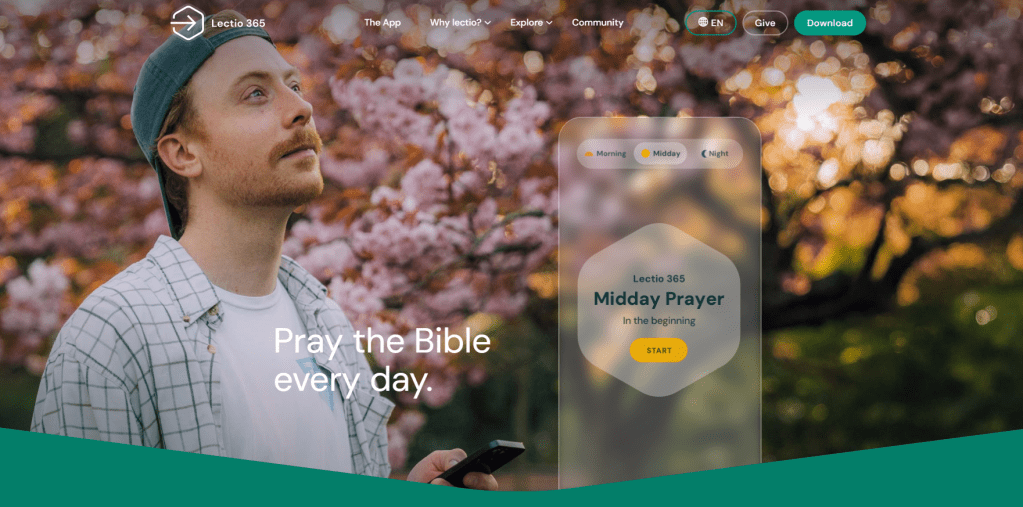
5. Lectio 365 – Best for structured daily prayer rhythm
Developed by the 24-7 Prayer movement, Lectio 365 stands out for its anchored, liturgical rhythm, drawing on the historic practices of the Church to help users cultivate a prayer habit through a modern, accessible format.
Key features:
Lectio Divina-style reflections.
Structured liturgical rhythm.
Strengths:
Deeply grounding. Anchors your day in Scripture and prayer.
Best for:
Those who want rhythm, tradition, and theological grounding.
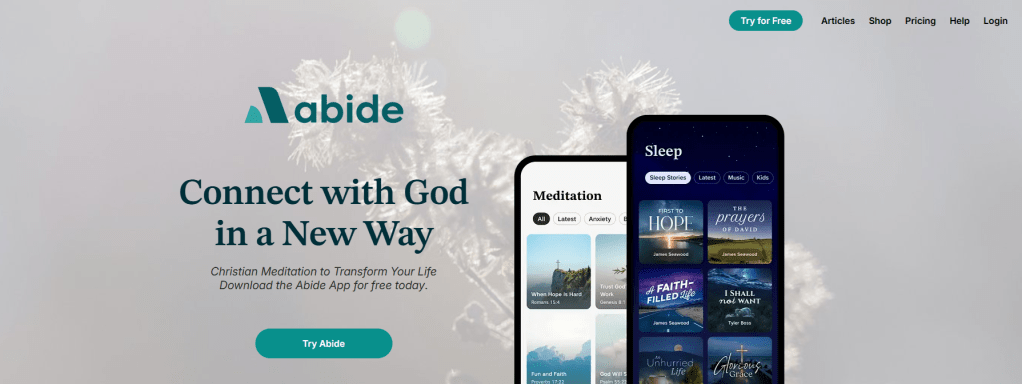
Abide occupies an important intersection between faith and mental wellbeing. It recognizes that for many people, anxiety, stress, and restlessness are the primary barriers to spiritual consistency, and addresses those directly through calming, Scripture-based experiences.
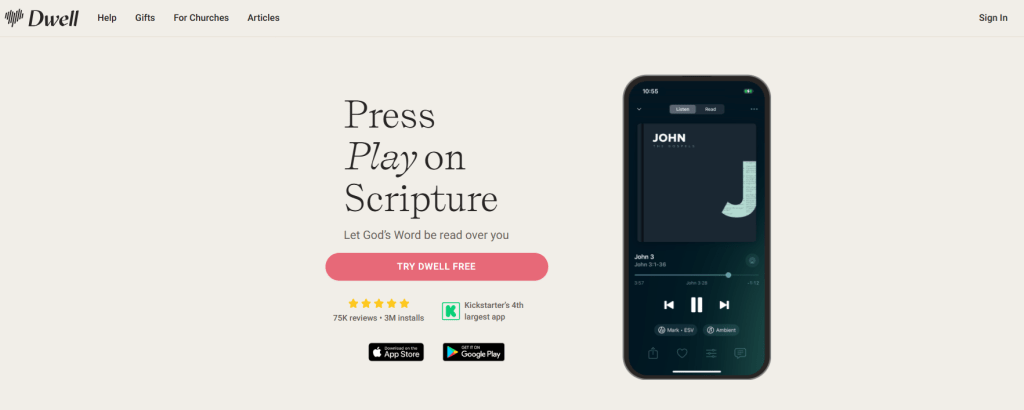
Dwell’s production quality transforms Bible listening into something immersive, which can deepen engagement in ways traditional reading sometimes doesn’t.
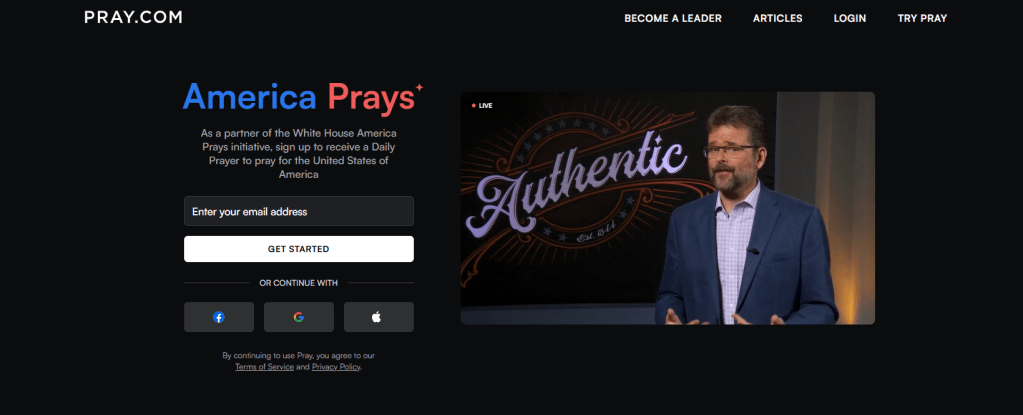
Pray.com leans into storytelling and accessibility, offering a wide range of audio content that makes faith approachable, especially for those who prefer listening over reading or structured practice.
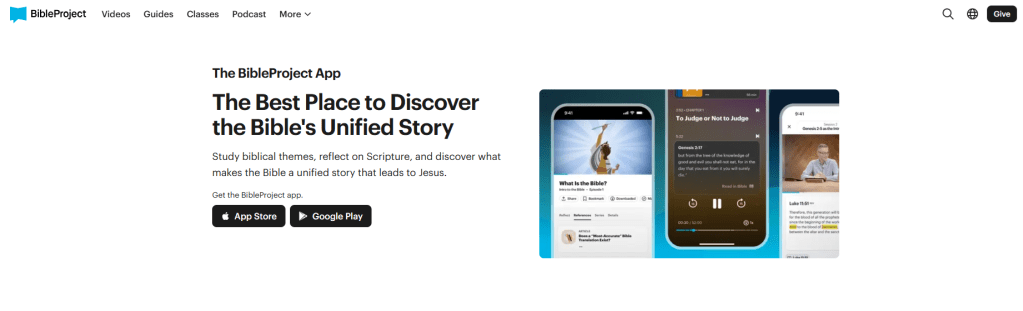
Built on the work of BibleProject, this app offers deep biblical teaching, making complex theology clear and coherent. It helps users see the Bible as a unified narrative with themes, structure, and meaning.
Key features:
Videos.
Courses.
Thematic studies.
Strengths:
Exceptional clarity and depth.
Best for:
Christians interested in a more digestible way to deepen their understanding of Scripture.
10. Echo Prayer – Best for organizing your prayer life
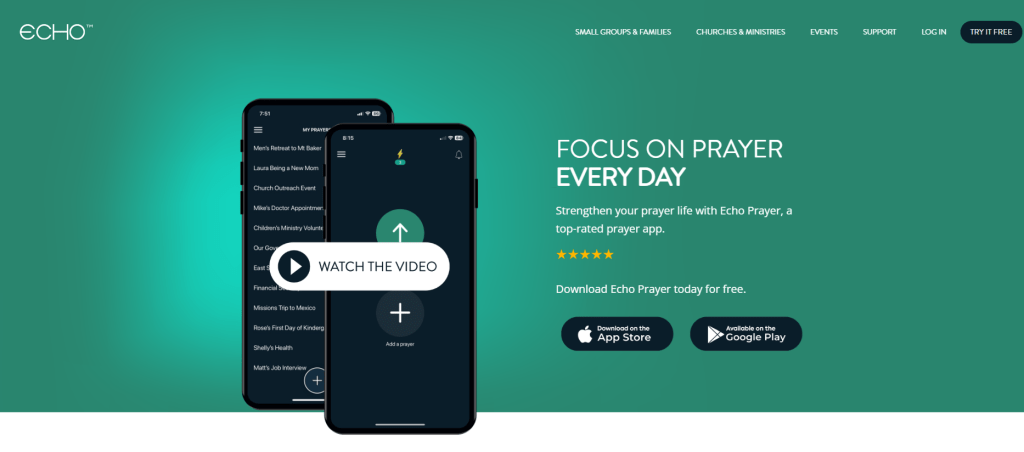
Designed to solve a practical but often overlooked challenge, Echo helps users to remember what to pray for, and pray consistently by offering structure and intentionality without overcomplicating the experience.
Key features:
Prayer lists.
Reminders.
Tracking.
Strengths:
Simple and structured.
Best for:
Busy Christians seeking ways to better organize and track their prayer life.
How to choose the right Christian app for you
A helpful way to choose a Christian app is to ask: Where does my faith feel hardest to sustain right now?
For most people, identifying a rich feature list won’t be nearly as impactful as finding an app that supports the area that feels most strained.
So choose with intention. If your days feel unstructured, content doesn’t matter as much finding a tool that supports the rhythms you want to build.
Apps like Lectio 365 or Echo can help to anchor your day, giving prayer a place to return to rather than something you have to remember.
If you just feel inconsistent, reducing the friction to engage with the practices you want will likely help to build the consistency you’re after.
Glorify, for example, offers a simple, repeatable entry point that makes showing up easier.
If, on the other hand, your aim is to engage Scripture more deeply, keep the focus on the Bible.
YouVersion offers breadth and accessibility, while Dwell can help you slow down to take Scripture in more deeply.
If your mind feels restless, or you sense there’s more for your life and faith, even if you may not quite be able to name it, make space for reflection…
Natality’s AI is trained on biblical coaching frameworks designed to help you integrate faith with self-awareness and direction, helping users understand not just what they believe, but how they are living.
The aim is simple: choose the tool that meets you where you are, and supports a small, steady step forward.
Why reflective tools are becoming essential
The Bible repeatedly points toward self-examination and awareness:
“Search me, O God…” (Psalm 139)
“Be still…”
“Examine yourselves…”
These aren’t calls to introspection for its own sake. They’re invitations to become aware of the ways in which you’re already being shaped by God and the world around you.
Christian journaling can be a powerful tool for this because writing or even speaking your thoughts forces those thoughts to slow down and be ported into language, where they can be examined and understood.
A deeper look: Why Natality stands apart
Whereas most Christian apps help you input faith, Natality helps you process it by:
Engaging you in thoughtful conversation.
Surfacing patterns across your life.
Helping you connect reflection to direction.
In 2026, this matters more than ever. AI is no longer just a content generator, it’s becoming a tool, when used well, that can help to support spiritual practices.
Move from reflection to direction
Natality helps you go beyond capturing thoughts to understanding them – guiding you through conversations that reveal patterns, sharpen clarity, and connect more deeply with your faith and experiences.
Download Natality for FREE, and discover a new way to journal with intention and purpose.
Best Christian app FAQs
What is the best Christian app in 2026?
The best Christian app in 2026 depends largely on how you’re looking to engage your faith on a daily basis.
Some apps excel in specific areas. Hallow is widely regarded as one of the strongest for building a consistent prayer life, particularly through guided audio and structured routines. YouVersion Bible App remains the most widely used option for Bible reading, offering multiple translations, reading plans, and accessibility across devices.
For those seeking something deeper than content – something that helps connect faith with real-life decisions and personal growth – Natality offers a more reflective approach. It focuses on helping users process their thoughts, recognise patterns, and develop clarity around purpose and direction.
Rather than searching for a single “best” app, it’s more helpful to choose one that aligns with the part of your spiritual life you want to strengthen right now.
Are Christian apps worth paying for?
Christian apps can be worth paying for when they meaningfully support a practice you return to regularly.
Free versions often provide a strong starting point, especially for Bible reading or introductory devotionals. Paid features tend to add depth, structure, and consistency – whether through guided prayer libraries, structured courses, or more personalised experiences.
The real value comes from use, not availability. An app that helps you slow down, reflect, or engage Scripture consistently can become part of your daily rhythm. In that context, the cost often feels secondary to the role it plays in shaping your attention and habits.
A helpful approach is to begin with a free version, then upgrade only if the app proves itself useful over time.
Which Christian app is best for new believers?
Glorify is often a strong starting point, offering short, guided daily devotionals that feel manageable even on busy days. YouVersion Bible App is another excellent option, particularly for those wanting to build a Bible reading habit with structured plans and reminders.
The most important factor at this stage is not finding the most comprehensive app, but one that lowers the barrier to showing up. A consistent, lightweight practice tends to build confidence and familiarity over time, making it easier to explore deeper tools later.
What app helps you grow spiritually the most?
Spiritual growth tends to come from practices that move beyond input and into reflection, awareness, and integration.
Many apps provide valuable content – Scripture, teaching, or guided prayer – but growth deepens when that content is processed and applied. This is where reflective tools become particularly valuable.
Apps like Natality are designed to support this process by helping users think through their experiences, recognise patterns, and connect their faith with daily decisions. Over time, this kind of engagement tends to lead to greater clarity, self-awareness, and intentionality.
In practice, the most effective approach often combines both: input from Scripture or teaching, alongside space to reflect and respond.
Are there Christian apps for mental health and anxiety?
Yes, several Christian apps are designed to support mental wellbeing alongside spiritual life.
Abide is particularly well known for its focus on relaxation, sleep, and anxiety, offering guided meditations rooted in Scripture. It provides a calming structure for those navigating stress or restlessness.
Natality approaches mental wellbeing from a reflective angle, helping users process thoughts, emotions, and patterns through guided journaling. This can be especially helpful for those seeking clarity or emotional insight over time.
These tools do not replace professional care where it is needed, but they can offer meaningful support by creating space for stillness, reflection, and grounded perspective.
What’s the difference between Bible apps and devotional apps?
Bible apps and devotional apps serve related but distinct purposes.
Bible apps, such as YouVersion Bible App, focus on direct access to Scripture. They typically include multiple translations, reading plans, and audio features, allowing users to engage with the biblical text itself.
Devotional apps, such as Glorify, are designed to guide reflection. They combine Scripture with commentary, prompts, or structured readings that help interpret and apply the text to everyday life.
Many people benefit from using both: one for reading Scripture directly, and another for helping process and reflect on what they’ve read.
Is there a Christian journaling app?
Yes, Christian journaling apps are becoming more prominent as people look for ways to reflect more intentionally on their faith and experiences.
Natality is designed specifically for this purpose. It combines the proven benefits of journaling with biblical wisdom and conversational reflection, helping users explore their thoughts, recognize patterns, and develop clarity over time.
Unlike traditional journaling, which can sometimes feel directionless, structured tools like this provide a starting point for reflection while still allowing space for personal expression. This makes them particularly useful for those who want to build a consistent journaling practice but aren’t sure where to begin.





 Natality
Leave a comment